
Pulling a dead plant from the garden can raise many questions: how long should you wait before replanting?
+ The enchanted garden of Taylor Swift and Travis Kelce’s engagement
According to The Spruce, the ideal waiting time depends on factors such as the type of plant, the cause of death, soil conditions, and even the time of year. Trees, shrubs, and some perennials, for example, tend to do better when replanted in autumn or early winter.
When to replant after losing a plant
If the plant died due to maintenance errors or extreme weather conditions (such as drought or flooding), replanting can be done as soon as the issue is resolved. It’s essential to improve drainage or rehydrate the soil, depending on the situation. Adding compost, humus, and perlite helps balance moisture and nutrition.
In cases of compacted soil, the process requires patience. Growing deep-rooted species, using mulch, and adding manure are practices that, over time, help aerate and revitalize the earth.
When death is related to nutrient deficiencies or pH imbalance, it’s recommended to take a soil sample for analysis. Adjustments may take weeks or even months, as correcting pH is a gradual process.
Soil-borne diseases
According to The Spruce, when a plant dies due to pathogens present in the soil, it’s best to identify the disease before planting a new one in the same spot. In some cases, soil solarization during summer can eliminate fungi and bacteria in one to two months. Another option is crop rotation and the use of resistant varieties.
The waiting time can vary greatly, but the general rule is not to replant the same species until the soil has recovered.
Replanting in pots
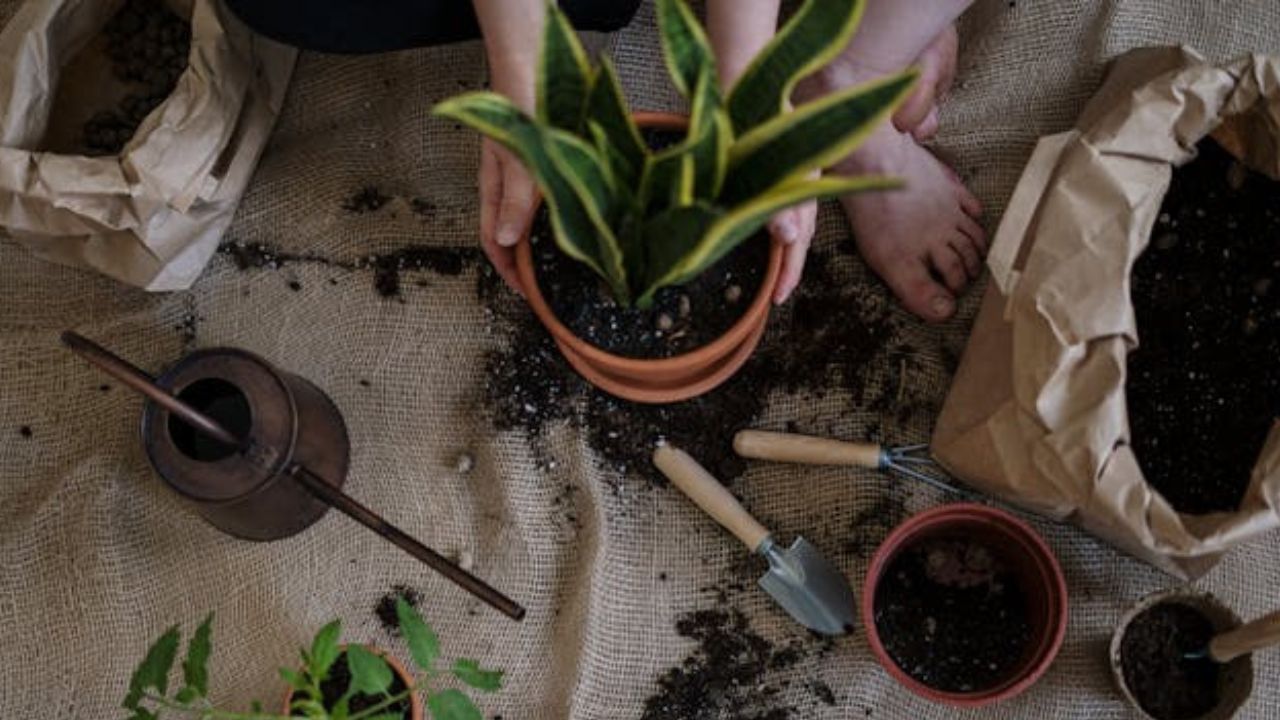
For plants grown in pots, replacement can be almost immediate. Just use new substrate and ensure the container has drainage holes. If the pot is purely decorative, plant in a nursery pot and place it inside the larger one.
5 signs the soil is ready for replanting
To make sure the soil is healthy and prepared for new plants, observe:
- Color: rich soil has dark brown to black tones.
- Smell: it should smell fresh and earthy.
- Consistency: when moist, it should hold its shape without becoming too hard.
- Life: earthworms and insects are signs of a balanced ecosystem.
- Drainage: water should infiltrate without pooling, to about 30 cm deep.
How to prepare soil for new plants
To ensure the next attempt is successful, prepare the soil:
- Remove roots, stones, and plant debris.
- Dig 20 to 30 cm deep.
- Add a 10 cm layer of compost, shredded leaves, or organic material.
- Mix in sand if the soil is very clay-heavy.
- Loosen the soil well with a shovel or tiller and level with a rake.
According to The Spruce, the waiting time varies depending on the problem that affected the previous plant. Taking care of soil quality and correcting imbalances significantly increases your chances of success in the garden.
Source: The Spruce. This content was created with the help of AI and reviewed by the editorial team.
